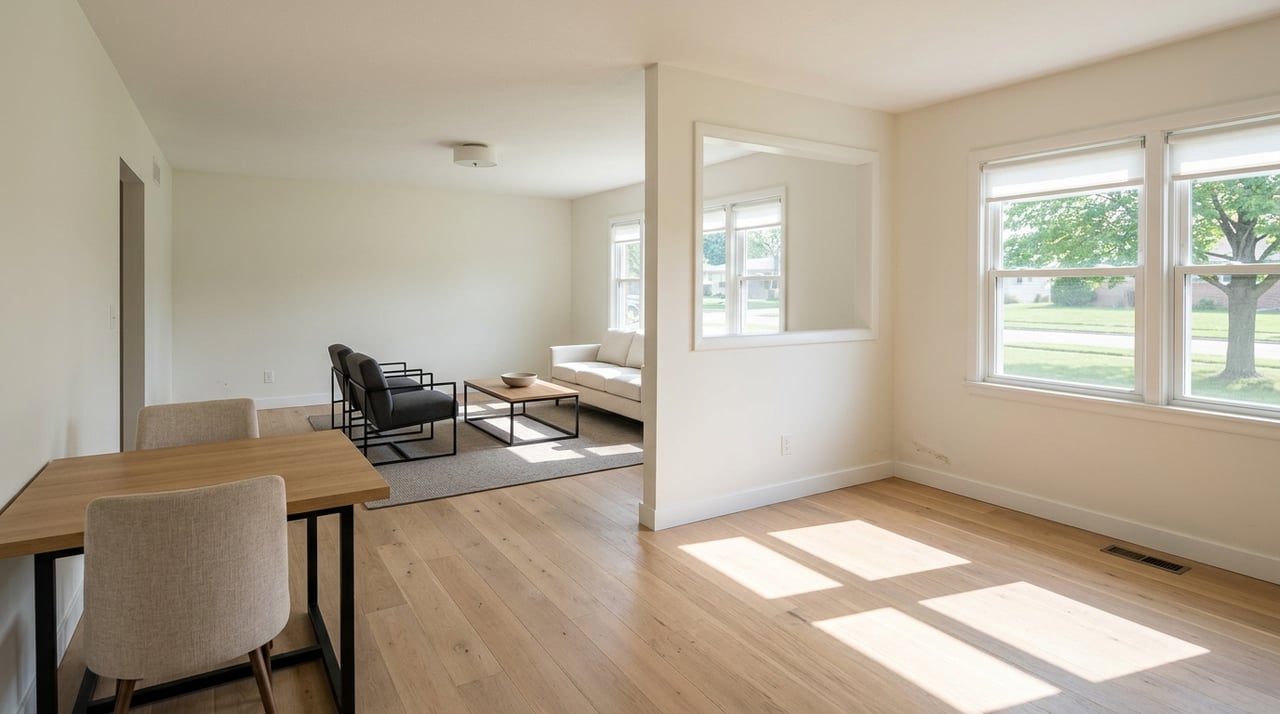
Northside Sioux City Home Selling Strategies That Work
May 28, 2026
May 28, 2026
Wondering how to list your North Side Sioux City home without leaving money on the table? If you have owned your home for years, it can be hard to know where to start, especially in a neighborhood where historic character, condition, and hyperlocal pricing all matter. This guide will help you price smart, prep strategically, and market your home in a way that fits today’s North Side market. Let’s dive in.
North Side is not just another Sioux City neighborhood. The Sioux City Public Museum notes that it is one of the city’s older residential areas, with roots going back to the 1870s and development shaped by additions like Peirce's Addition, Rose Hill, and Hedges's Addition. Over time, the area became known as a premier residential area, with later subdivisions such as Country Club, Sunset View, and Indian Hills adding to its identity.
That history matters when you sell. Buyers are often comparing North Side homes to other Siouxland options, not just to national headlines. Sioux City also serves as a regional hub for Northwest Iowa, Southeast South Dakota, and Northeast Nebraska, so your buyer could be local, relocating from nearby, moving up, or downsizing within the region.
In March 2026, Redfin reported Sioux City’s median sale price at $214,000, up 15.7% year over year. Homes sold in a median 38 days, and the citywide market was labeled very competitive, with an average sale-to-list ratio of 97.2%.
North Side was above the city median. In March 2026, Redfin reported a North Side median sale price of $245,000, up 15.4% year over year, with a median 36 days on market. The area was still considered very competitive, though average homes tended to sell about 2% below list price, while the hottest listings could go pending in roughly 5 days.
That creates an important takeaway for sellers: North Side is active, but pricing still needs to be sharp. You cannot assume that a strong market will fix an inflated list price.
One of the biggest mistakes sellers make is anchoring to the wrong number. A citywide median can be useful for general context, but it should not be the main basis for your list price.
Nearby neighborhood data shows why. Redfin reported recent median sale prices of $270,500 in Country Club in March 2026, $300,000 in Indian Hills in January 2026, and $275,000 in The Heights in March 2026. Those numbers suggest nearby higher-end neighborhoods often trade above North Side, but they do not automatically raise the value of every North Side home.
Instead, your pricing strategy should focus on the most relevant local comparables. That means looking closely at recent sales with similar location, size, condition, style, and updates, then adjusting for features that make your home stand out.
If you have checked your assessment and wondered whether that number should guide your asking price, Woodbury County gives a clear answer. The Assessor says market value reflects the open-market price as of January 1 and is based heavily on recent comparable sales, along with location, size, condition, quality, and time of sale.
The county also makes an important distinction: the assessor’s role is to estimate value, not taxes. Real property is revalued every two years, so your assessment is not a live pricing tool for your current listing. For sellers, that means your tax bill and your list price are not the same thing.
North Side includes many older homes, and those properties often need a more careful comp strategy. Woodbury County specifically notes that old but well maintained or remodeled two-story homes may sell more strongly than ranch homes built in the 1970s when compared with assessed value.
That is especially relevant in a neighborhood with classic homes and long-term ownership. If your home has preserved original character, consistent maintenance, or thoughtful updates, it may deserve a comp set that goes beyond the nearest basic ranch sale. Character can add value, but only when pricing reflects how buyers actually compare homes.
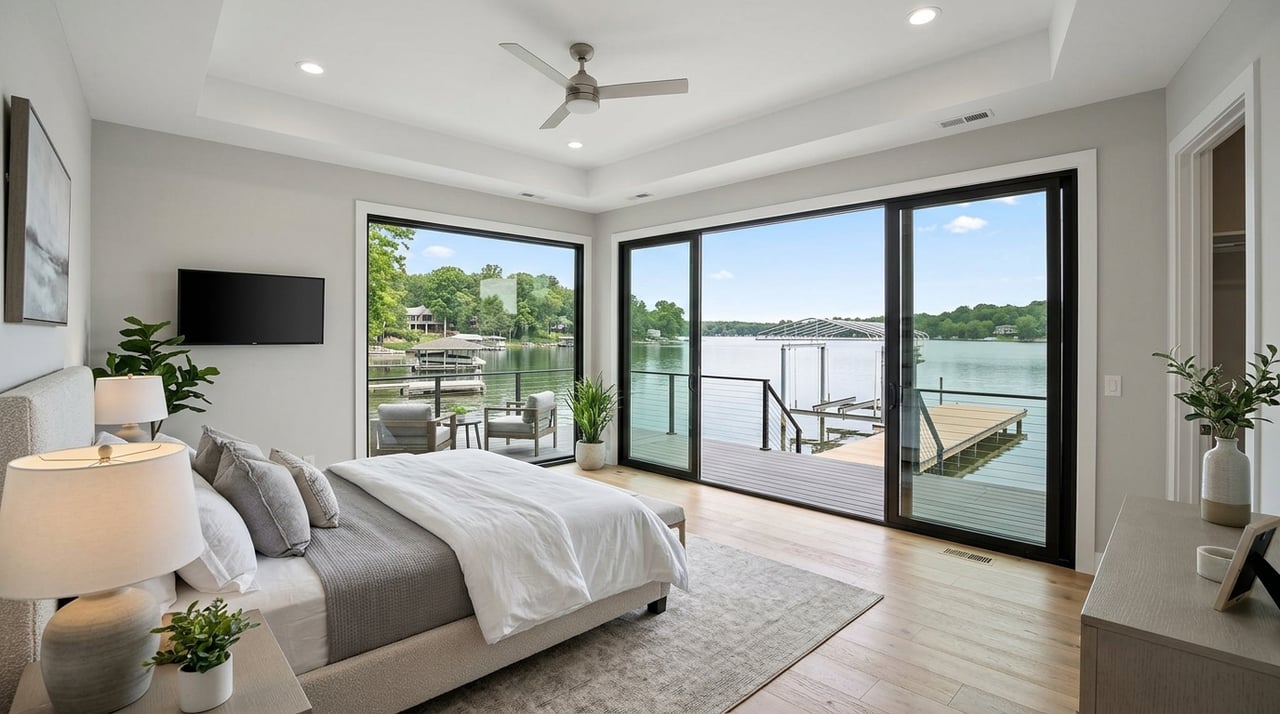
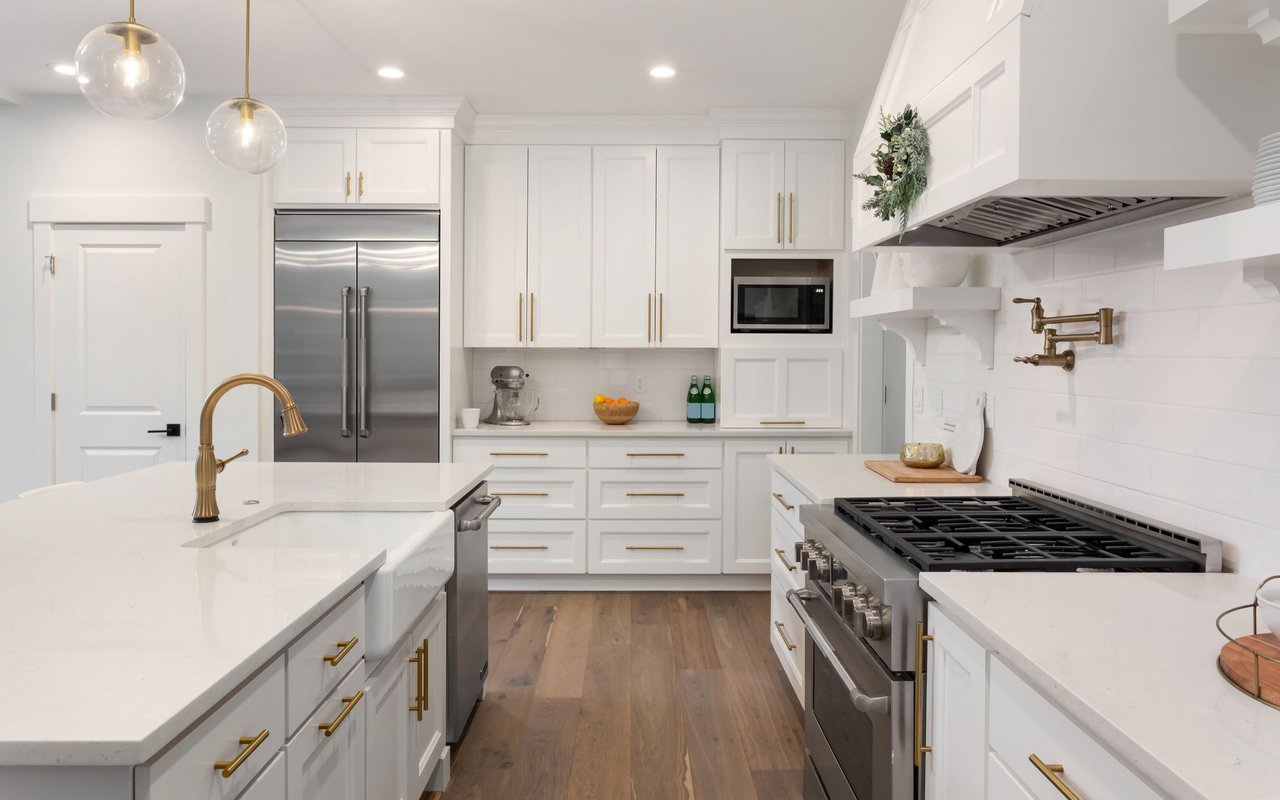
When you are selling an older floor plan, presentation matters. According to the National Association of Realtors 2025 staging report, 29% of agents said staged homes received 1% to 10% higher offers, and 49% of sellers’ agents said staging reduced time on market.
The same report found that buyers and sellers pay the most attention to the living room, primary bedroom, and kitchen. If you want to focus your time and budget, those are your highest-value spaces.
For older homes, staging works best when it makes the home feel brighter, cleaner, and easier to understand without erasing its charm. NAR’s staging guidance points to a few simple steps that can make a real difference:
North Side homes often have personality that newer homes cannot copy. The goal is to help buyers see that character while also making the layout feel functional and easy to live in.
If your home was built before 1978, there is another step you should plan for before listing. The EPA says sellers of most pre-1978 housing must disclose known lead-based paint hazards and provide the required pamphlet.
The agency also notes that 87% of homes built before 1940 and 24% of homes built from 1960 to 1978 contain some lead-based paint. If you are thinking about repairs before listing, especially around paint, windows, or any surface that will be disturbed, it is smart to factor those rules into your prep timeline early.
Many sellers ask when they should list. National 2026 timing guidance points to late spring as a strong window, with Realtor.com identifying the week of April 12 through 18 as a top week to sell and Zillow reporting that homes listed in the last two weeks of May earned about 1.7% more nationally.
Still, those are broad patterns. Zillow also notes that the best local launch timing depends on neighborhood conditions, mortgage rates, and how polished the home is when it hits the market. In North Side, a well-prepared listing with strong pricing and presentation is usually more powerful than rushing to market just to hit a calendar date.
Marketing quality can shape both interest and offers. Zillow reports that homes marketed broadly on the MLS sell for more than homes kept off the MLS, and that listings with high-resolution photography, 3D tours, and interactive floor plans tend to perform better.
That matters even more for North Side homes with larger rooms, unique architecture, or older layouts. Strong visuals help buyers understand scale, flow, and character before they ever schedule a showing. If a home is hard to read online, some buyers may move on before they discover what makes it special.
A competitive market does not mean every seller should price aggressively and wait for bidding wars. Redfin’s March 2026 data shows that Sioux City overall had a 97.2% sale-to-list ratio, with 28.8% of homes selling above list price and many receiving multiple offers.
North Side is competitive too, but average homes there were generally selling a little under list rather than well above it. That means a realistic list price is often the best negotiation strategy. Overpricing can lead to slower traffic, weaker leverage, and price reductions that make buyers wonder what was missed the first time.
If you want a simple way to think about your next steps, focus on these five priorities:
Selling smart in North Side is not about chasing the highest possible number on day one. It is about matching your home’s condition, character, and location to the right price and the right presentation so buyers respond quickly and confidently.
If you are thinking about selling on North Side, the right guidance can help you sort through comps, timing, updates, and marketing with less stress. Connect with Tonya Vakulskas for trusted, neighborhood-focused advice on what your home may be worth and how to list it with confidence.
Stay up to date on the latest real estate trends.
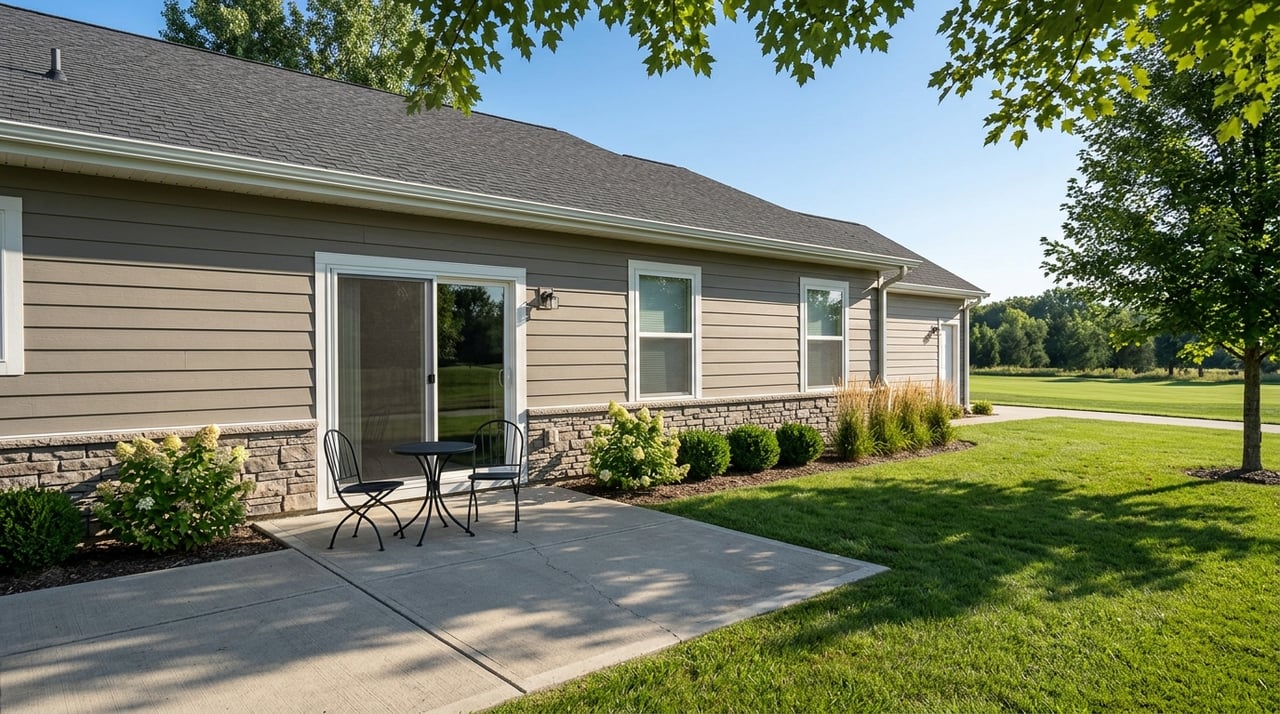
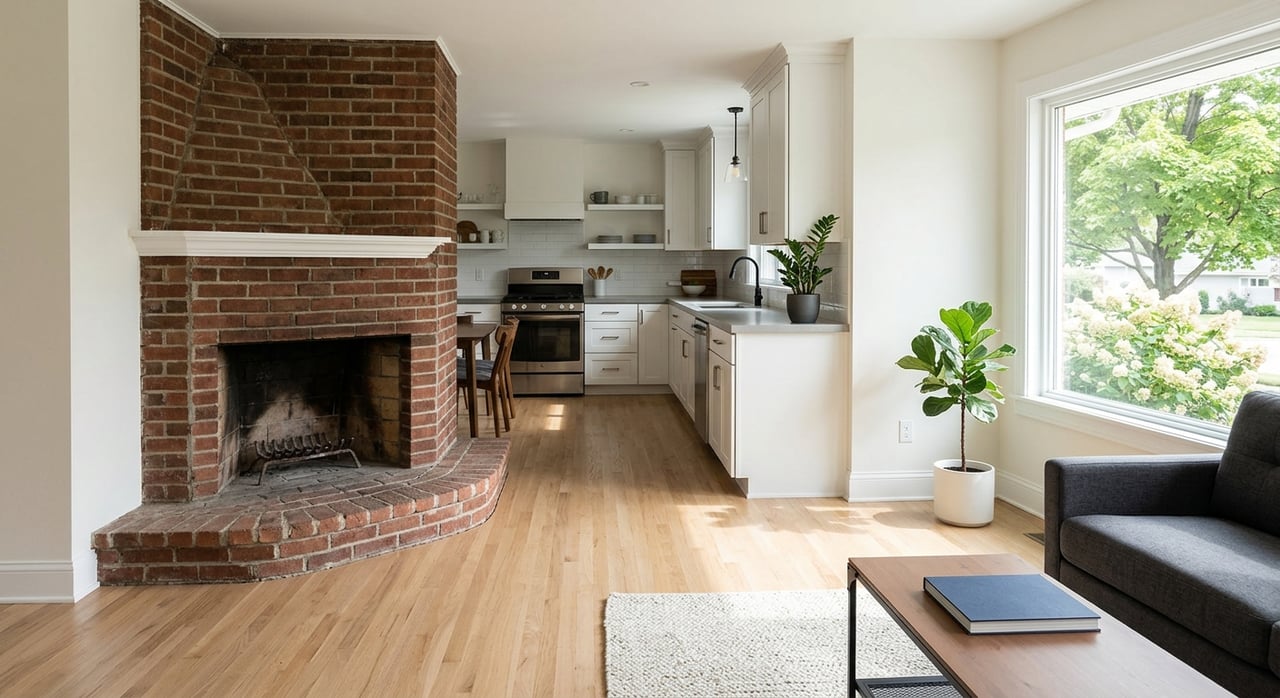
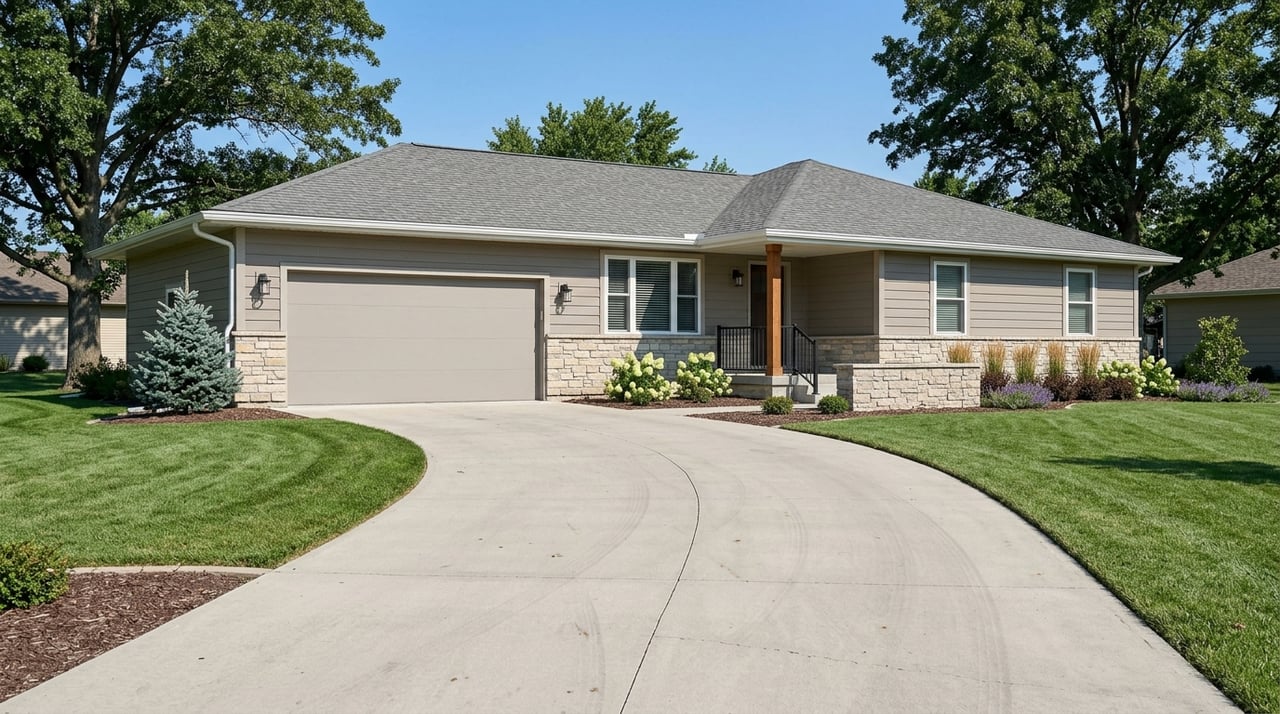
Work with them for trusted real estate expertise in Sioux City and the surrounding region. Their local insight, proven experience, and client-driven approach make buying or selling smooth, strategic, and rewarding.
THE VAKULSKAS GROUP
For fastest service, please call or text:
Tonya at (712) 899-6328 or Greg at (712) 253-2792
Address 103 S Virginia St Ste 100 Sioux City IA 51101