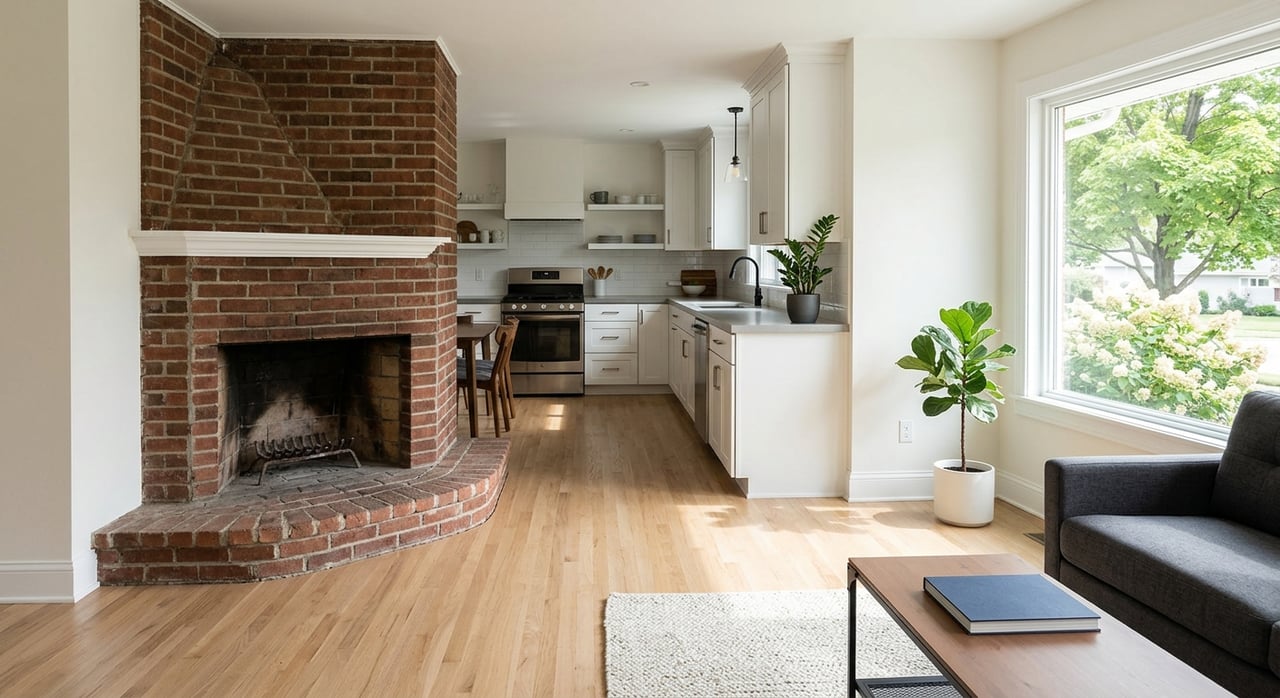
Westside Sioux City Homes: Weighing Older Versus Newer
July 16, 2026
July 16, 2026
Buying on Sioux City’s West Side often means choosing between established homes with history and newer homes with simpler maintenance. That can feel exciting and a little tricky at the same time, especially when two homes in the same area offer very different ages, layouts, and upkeep needs. If you are weighing an older home versus a newer one on the West Side, this guide will help you compare the real-world pros, tradeoffs, and local due diligence steps that matter most. Let’s dive in.
The West Side is not a one-style housing market. In Woodbury County, more than 53% of housing units were built before 1960, and about 76% were built before 1980. That means older housing is a major part of the local inventory.
At the same time, Sioux City’s planning framework separates established neighborhood conservation areas from newer development areas. On the West Side, that often means you are not simply choosing between “old” and “new” in theory. You are comparing traditional blocks with newer infill and reinvestment projects in the same broader area.
City activity on the West Side reflects that blend. The Lyons Park Investment Area covers more than 40 blocks, and current city work includes sidewalks, curb ramps, storm sewers, resurfacing, patching, and curb and gutter improvements in Lyons Park and Isabella Square. The city also partnered on 11 new single-family homes in Isabella Square, showing that West Side buyers may see both renovated older homes and newer construction options.
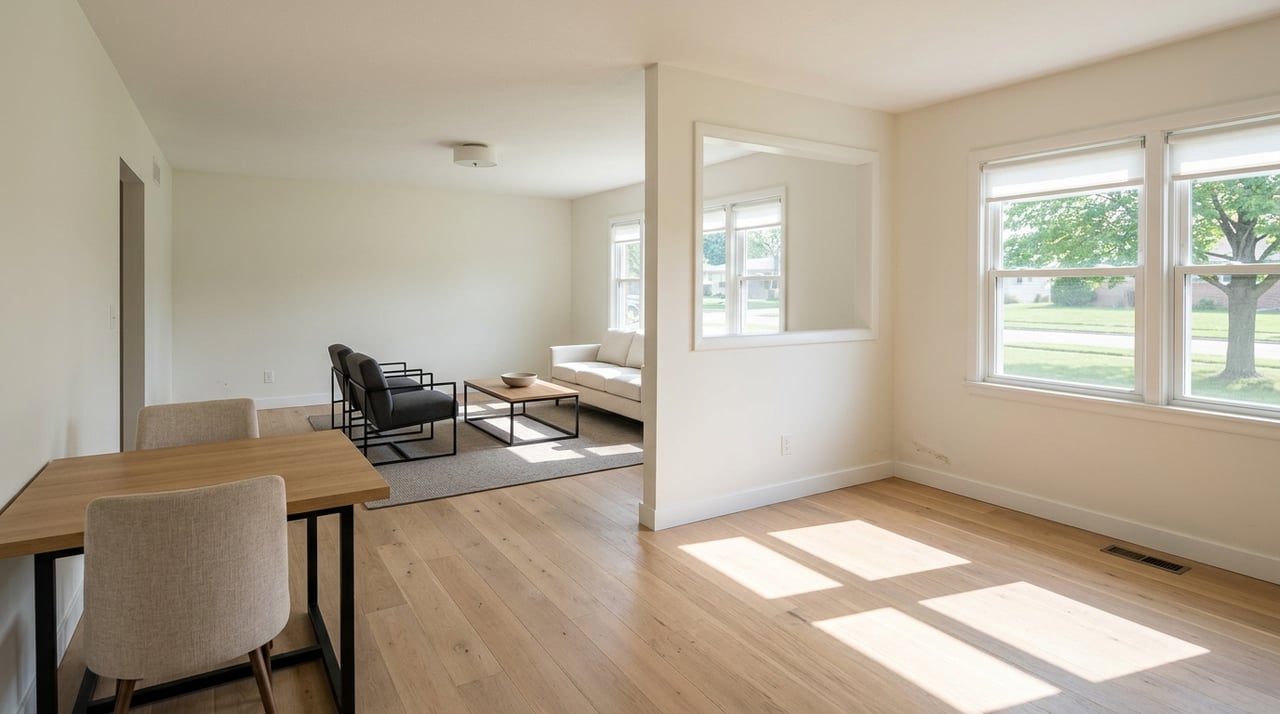
Older West Side homes often attract buyers who want an established setting and the kind of character that comes with older city housing. You may find details, layouts, or lot placement that feel different from newer homes. For many buyers, that sense of place is a big part of the appeal.
Older homes can also offer opportunities when updates have already been completed well. If a seller has kept up with the roof, foundation, electrical, plumbing, and windows, an older home can give you a blend of charm and function. The key is making sure the updates are real, documented, and professionally completed.
That last point matters because “updated” can mean very different things. Fresh paint and new fixtures may look great, but they do not tell you much about the systems behind the walls. On the West Side, where much of the housing stock is older, paperwork and inspection findings matter just as much as appearance.
Older homes tend to concentrate the same issues that show up in Sioux City rehab programs. Common concerns include lead-based paint removal, roofing, electrical work, plumbing, windows, foundation repairs, painting, and siding. These are not automatic deal breakers, but they are part of a smart comparison.
For homes built before 1978, lead is a major local due diligence topic. Iowa DIAL says any home built before 1978 can contain lead-based paint, and homes built before 1960 are more likely to have peeling or chipping lead paint, especially around windows, baseboards, doors, siding, and porches. That is one reason buyers should ask for records, not just verbal assurances.
Sioux City’s lead-hazard grant also highlights how broad this issue can be. The program can include windows, doors, paint, HVAC, electrical, plumbing, and radon mitigation for qualifying homes built before 1978. If a home has had this kind of work done, ask for any available documentation.
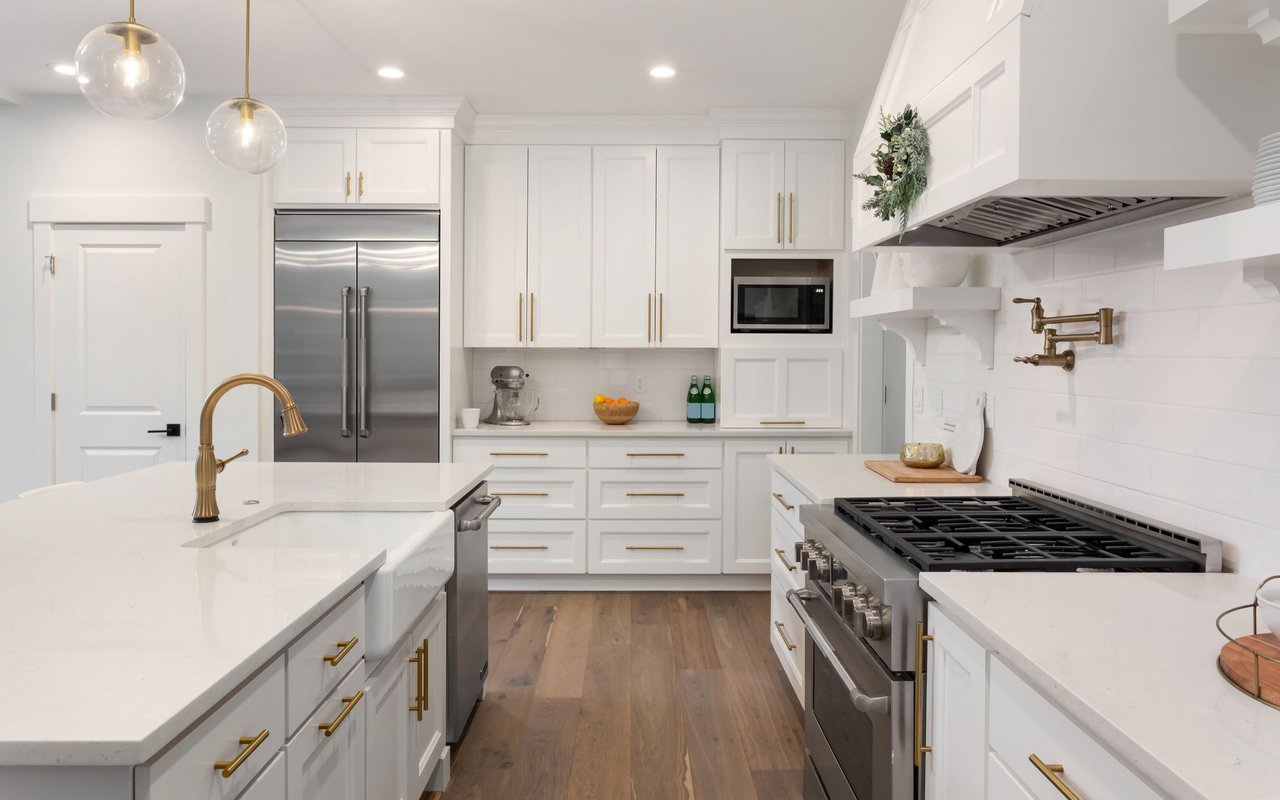
Newer homes on the West Side often appeal to buyers who want a more straightforward start. In the Isabella Square project, Sioux City described homes of about 1,370 to 1,475 square feet with three bedrooms, one or two bathrooms, an attached garage, and a full basement with room for future expansion. That kind of layout reflects the practical appeal of many newer homes.
For you, that can mean a more functional floor plan, lower immediate maintenance needs, and fewer near-term repair surprises. A full basement may also offer flexibility later, depending on the property and how it was built. It is still important to confirm what is finished, what is approved, and what future use is actually possible.
Newer homes can also offer a different baseline for health and safety features. Iowa HHS says that starting July 1, 2026, new single-family and two-family residential construction must include a passive radon-mitigation method. In a state where radon is a major concern, that is a meaningful point of comparison.
Radon should be part of your West Side home search whether you are looking at a 1920s house or a newer infill build. Iowa HHS says Iowa has the largest percentage of homes above the EPA action level of 4 pCi/L at 71.6%, and the entire state is designated as EPA Zone 1. In simple terms, radon is not a fringe issue here.
That does not mean an older home is automatically worse or a newer home is automatically safe. It means you should treat radon testing and mitigation information as standard due diligence. If a newer home was built under the newer radon rules, ask for documentation of the passive system.
If you are buying an older home, ask whether the property has been tested and whether a mitigation system is installed. If there is a system, verify what was done and when. This is one area where clear records can help you compare homes more confidently.
A newer home is not the same thing as a perfect home. Even new or nearly new construction deserves a close review of finish quality, caulking, trim, and any punch-list items. Small issues can become larger ones if they are ignored.
Exterior drainage is another point to watch. You should check grading, driveway runoff, and whether downspouts carry water away from the house. Water management matters in almost every home, no matter when it was built.
It is also smart to verify that final inspections and permit close-out are complete. A newer home may have fewer age-related concerns, but you still want to know the file is complete and the work was finished properly.
Permit history is one of the most useful ways to compare an older home and a newer one. Sioux City says permits are required for many projects, including basement finishes, additions and remodels, certain decks, some window and exterior door replacements, larger accessory structures, and demolition. That makes permit records especially important when a home has been renovated over time.
This matters even more when an older home has a mix of original construction and later updates. A finished basement, reworked kitchen, or expanded layout may look great in photos, but you still want to know whether the work was done under permit when required. That can help you understand both quality and future resale confidence.
Sioux City also says a homeowner who sells a house must make the buyer aware of work completed without required permits or inspections on the realty disclosure form. For buyers, that makes the permit trail more than just a technical detail. It is a practical part of evaluating risk.
A general home inspection is important, but it is not a full guarantee. The ASHI Standard of Practice explains that inspections are visual and not technically exhaustive. Inspectors review readily accessible components such as structure, roof, exterior drainage, plumbing, electrical, heating, cooling, insulation, ventilation, and common interior items.
What inspectors do not do is equally important. They are not required to determine code compliance, future performance, market value, or environmental hazards. That is why a home inspection should be viewed as a screening tool that helps you ask better next questions.
This is especially useful on the West Side, where a home may have been updated in stages over many years. If a property blends older construction with newer finishes, inspection findings and supporting records often tell the most complete story.
When you compare older and newer West Side homes, the best question is not simply, “Which one is better?” A better question is, “Which one has an age, condition, and paper trail that match my comfort level?” That shift can help you focus on facts instead of assumptions.
Here are a few smart questions to ask during your search:
On the West Side, the better choice usually depends less on age alone and more on condition, documentation, and fit for your goals. An older home may offer character and an established setting, but it often deserves closer attention to lead, radon, roofs, foundations, plumbing, and electrical systems. A newer home may reduce immediate maintenance and include newer radon-related features, but it still needs a careful look at grading, finishes, and permit close-out.
The good news is that both types of homes can be strong options when you evaluate them the right way. If you want help comparing West Side properties block by block and understanding what to ask before you make an offer, Tonya Vakulskas can help you sort through the details with practical, local guidance.
Stay up to date on the latest real estate trends.
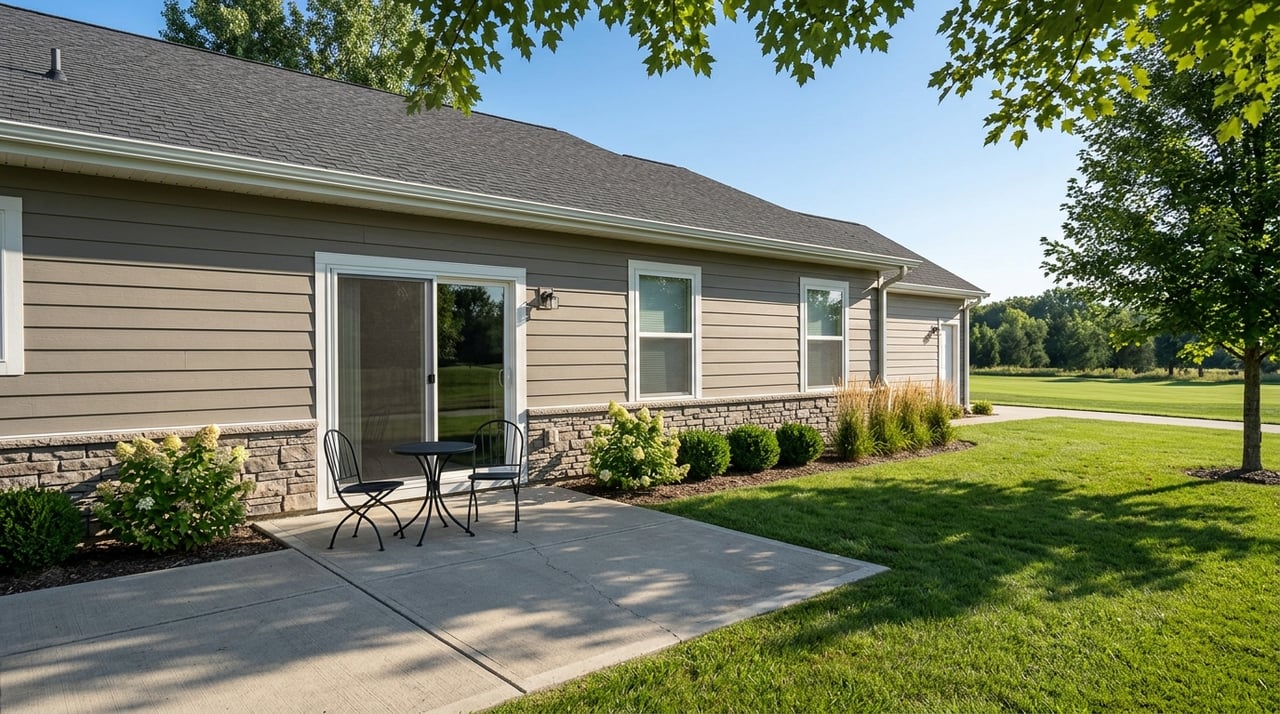
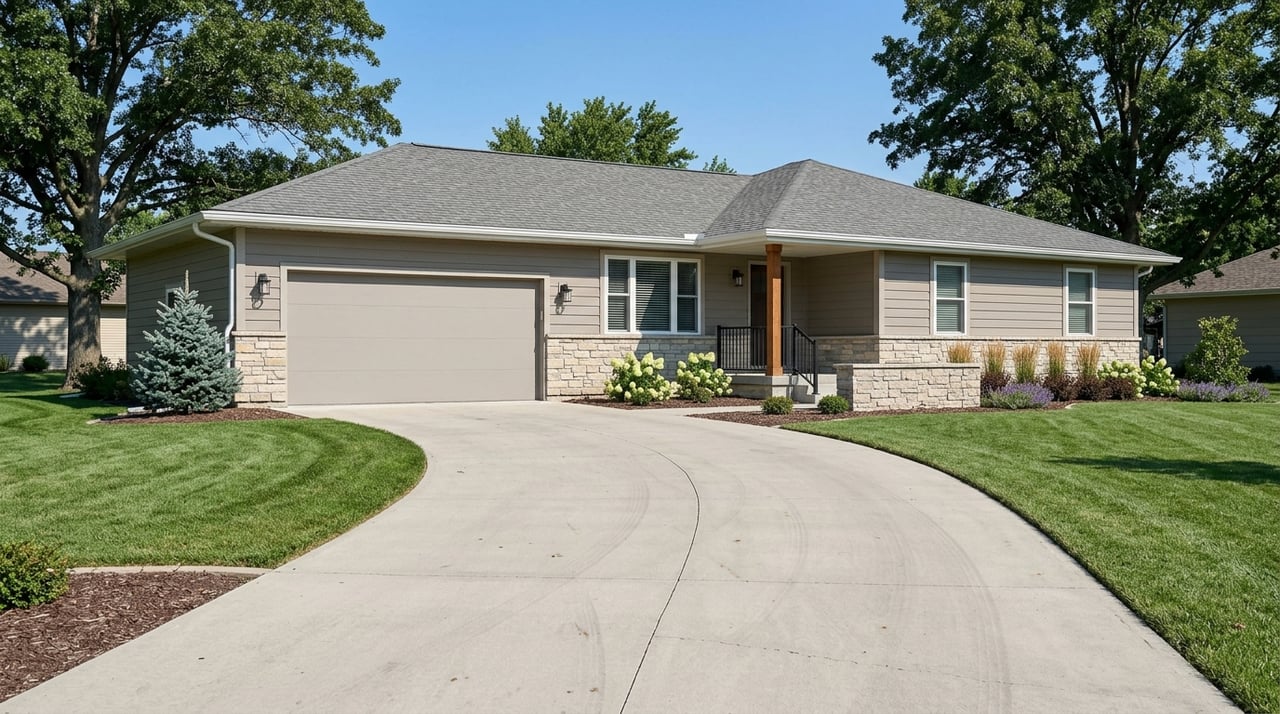
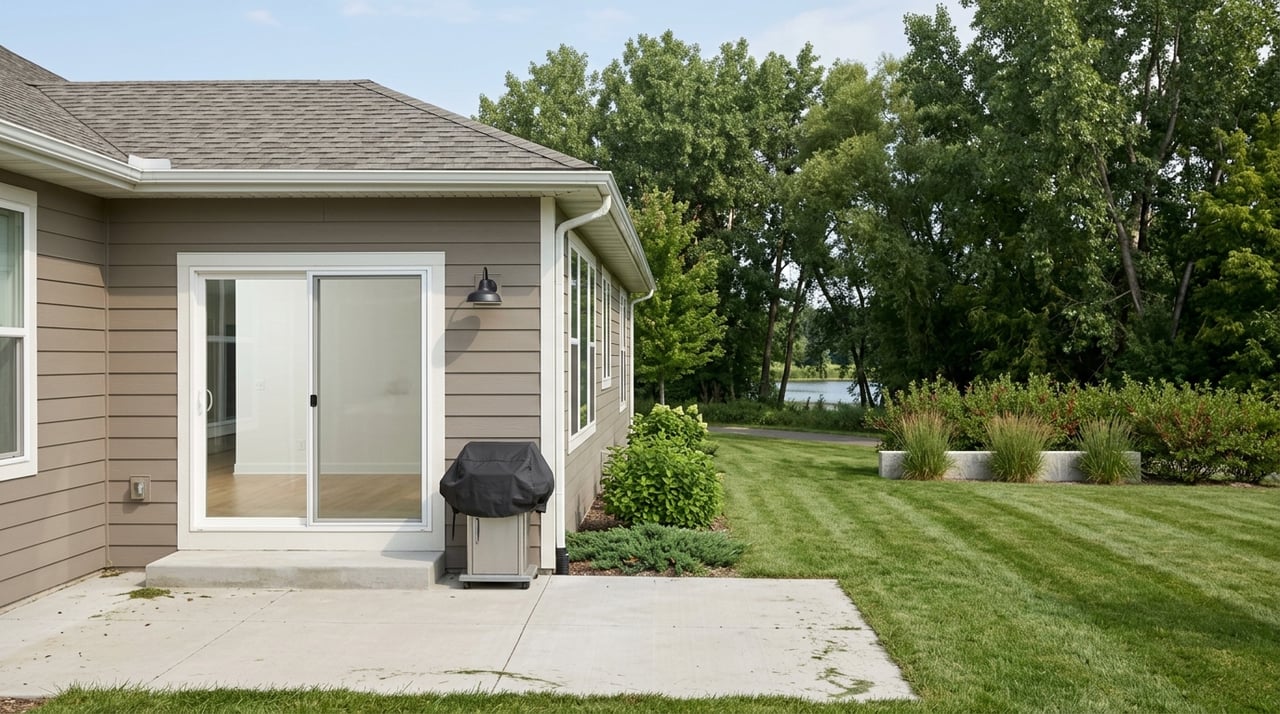
Work with them for trusted real estate expertise in Sioux City and the surrounding region. Their local insight, proven experience, and client-driven approach make buying or selling smooth, strategic, and rewarding.
THE VAKULSKAS GROUP
For fastest service, please call or text:
Tonya at (712) 899-6328 or Greg at (712) 253-2792
Address 103 S Virginia St Ste 100 Sioux City IA 51101