Essential South Sioux City Home Buying Guide
February 19, 2026
February 19, 2026
Thinking about buying on the Nebraska side of the river? South Sioux City gives you practical neighborhoods, commute-friendly access to Sioux City, and a few Nebraska-specific steps you will want to understand before you write an offer. If you want clarity on prices, taxes, schools, and closing costs, you are in the right place. Below, you will find market context, what affects your monthly budget, how schools and enrollment work, and a simple checklist to make your move smooth. Let’s dive in.
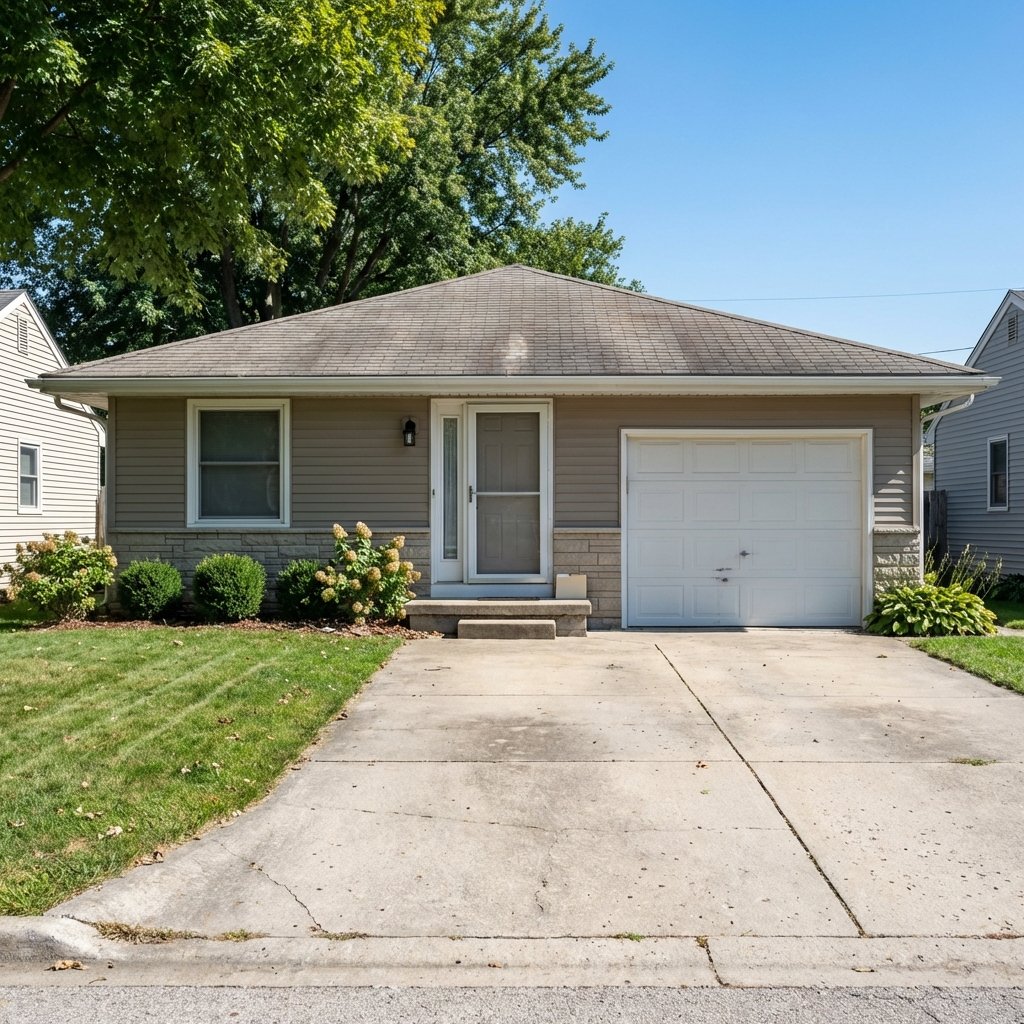
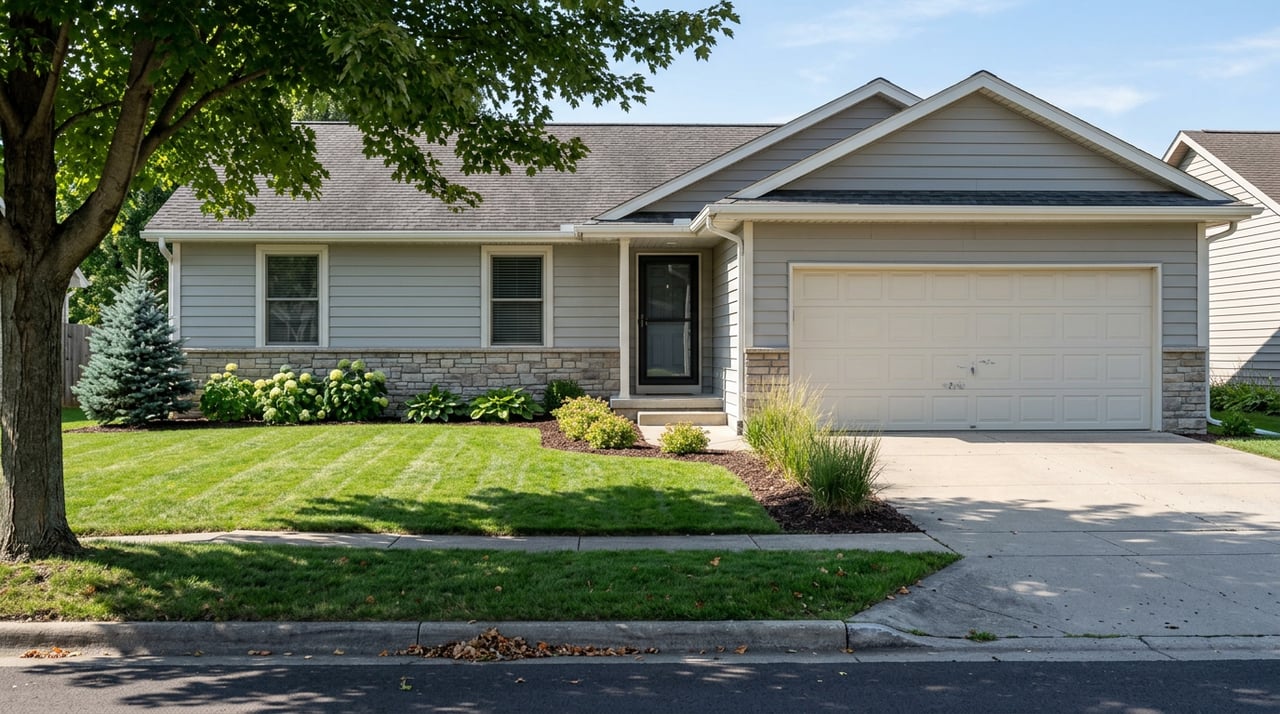
South Sioux City’s housing stock is mostly single-family homes, with a mix of established in-town properties and newer subdivisions. You will also see some manufactured home communities and rentals. Many active single-family listings typically fall in the roughly 300,000 to 550,000 dollar range, with higher and lower outliers based on size, age, and location.
You will see different price figures depending on the source. Recent MLS-style medians for closed and listed homes have been in the upper 300,000s to near 400,000 dollars, while broad value indexes like Zillow’s ZHVI read lower at around 218,000 dollars. The difference comes from methodology. Use listing and recent-sale medians to set offer expectations, and consider index data as a backdrop for longer-term value trends.
Inventory has been tight at times, and days on market have shortened compared with earlier years. That means you should get preapproved, stay flexible on closing dates, and keep inspection timelines efficient. Strong but clean offers tend to travel farther in this environment.
Property taxes in Nebraska are driven by assessed value and local levies set by the county, city, school district, and other entities. Statewide summaries often cite an effective rate in the neighborhood of 1.4 percent, but your exact bill comes from Dakota County’s valuation and levy mix. Always confirm the parcel’s assessed value and current tax history before finalizing your budget.
Here is a quick illustration to frame the math. If you buy at about 379,500 dollars and apply a rough 1.4 percent effective rate, the estimate is near 5,300 dollars per year. Your actual bill may differ because it is based on the county’s assessed value and the precise levy for that tax year. Most buyers escrow taxes, and post-closing prorations depend on the county’s billing cycle.
If you qualify, Nebraska’s Homestead Exemption can lower your property tax. It serves eligible seniors, disabled individuals, and some veterans with income limits. You file specific forms during the annual window with the county assessor. Check program details and forms on the Nebraska Department of Revenue site.
If you are weighing Nebraska vs. Iowa, consider state-level taxes along with your property tax estimate. Iowa moved to a low flat individual income tax rate for 2025, which can affect your net take-home if you work or file there. Nebraska’s rates have also changed in recent sessions. Talk with a tax advisor and model your own income to see the net effect.
Nebraska’s state sales tax is 5.5 percent, and cities add local rates that vary. Small rate differences can change day-to-day costs, especially for larger purchases. When you make this comparison, use a current statewide guide and your actual spending habits to keep it realistic.
South Sioux City Community Schools serves the city with an early childhood center, multiple elementary schools, a middle school, a high school, and an alternative high school. Enrollment is based on residency, and boundary lines determine attendance areas. Cross-state attendance is uncommon and usually requires special arrangements. Reach out to the district registrar for boundary maps, registration requirements, and timelines.
For context on why property taxes matter here, Nebraska relies heavily on local property taxes to fund K–12 education. That connection explains why your tax bill and local school budgets are linked.
Expect a standard title search and Lender’s title insurance if you finance the purchase. In the Siouxland area, title companies or dedicated closing agents typically coordinate the settlement. Fee splits can vary by deal, so ask your agent or the closing office to outline your specific costs early.
Nebraska requires a Real Estate Transfer Statement, known as Form 521, when recording deeds. Most taxable transfers also include a documentary stamp tax collected at recording. Local offices commonly quote this tax at 2.25 dollars per 1,000 dollars of consideration, with some exemptions available. Confirm the current rate and any exemptions with the Dakota County Register of Deeds before closing.
Because the city sits on the Missouri River corridor, check whether a property is in a FEMA flood zone, especially near the river or drainage areas. If it is, your lender will likely require flood insurance. Ask your lender or title company to order a flood determination early so you can price coverage and avoid delays. For rural or vacant parcels, verify any private well or septic details with the county and local health rules.
Dakota County bills real estate taxes on a set annual schedule, and payments are typically split into two installments. This timing affects escrow setup, prorations at closing, and your first-year cash flow. Review the county’s deadlines so you are not surprised.
Use this quick list to move from browsing to confident closing:
Links for your checklist:
For state-level tax context as you compare Nebraska and Iowa:
If you want practical Midwestern neighborhoods with quick access to Sioux City amenities, South Sioux City is worth a close look. Expect many active single-family options in the roughly 300,000 to 550,000 dollar band, with overall medians for recent sales sitting in the upper 300,000s to near 400,000 dollars. The key steps on the Nebraska side are to price your property taxes correctly, confirm school boundaries, and plan for Form 521 and documentary stamp tax at recording. With those items handled, you can focus on fit, finishes, commute, and lifestyle.
Ready to compare addresses and run real numbers for your budget? Reach out to our local team for one-on-one guidance, micro-market insights, and a smooth closing plan. Connect with Tonya Vakulskas to get started today.
Stay up to date on the latest real estate trends.


Work with them for trusted real estate expertise in Sioux City and the surrounding region. Their local insight, proven experience, and client-driven approach make buying or selling smooth, strategic, and rewarding.
THE VAKULSKAS GROUP
For fastest service, please call or text:
Tonya at (712) 899-6328 or Greg at (712) 253-2792
Address 103 S Virginia St Ste 100 Sioux City IA 51101